


What Products Are Driving ROI for SMBs?


The following post was originally published by Promo Impressions. To read more of their content, subscribe to their newsletter, Promo Impressions.
For small and medium-sized businesses, every marketing investment needs to work harder. Budgets are often limited, customer acquisition costs continue to rise, and competition across industries remains intense. That is one reason promotional products continue to deliver strong value for SMBs. Unlike short-lived digital campaigns, useful branded merchandise can remain visible for months or even years.
Today’s businesses are becoming far more intentional with promotional marketing. Instead of ordering generic giveaways in bulk, SMBs are focusing on products that support daily use, strengthen customer relationships, and create long-term brand visibility.
Why Promotional Products Continue to Perform
Promotional products remain effective because they combine branding with practicality. People are more likely to keep items they genuinely use, especially products that fit naturally into work routines, travel, or everyday activities.
For SMBs, this creates several advantages:
- Products can continue generating impressions long after a campaign has ended
- Useful merchandise often creates stronger customer recall than temporary digital ads
- Branded items help businesses stay visible without requiring ongoing advertising spend
- Physical products can create a more personal connection with customers and employees
- Promotional campaigns can support both awareness and retention at the same time
Many small businesses also appreciate the flexibility promotional products offer. A single product category can work across trade shows, onboarding programs, seasonal campaigns, customer appreciation efforts, and employee engagement initiatives.
Utility-Driven Products Are Delivering Better Results
One of the biggest trends among SMBs is the move toward practical products with long-term usability. Businesses are seeing stronger ROI from items that recipients naturally incorporate into their routines.
Popular high-performing categories include:
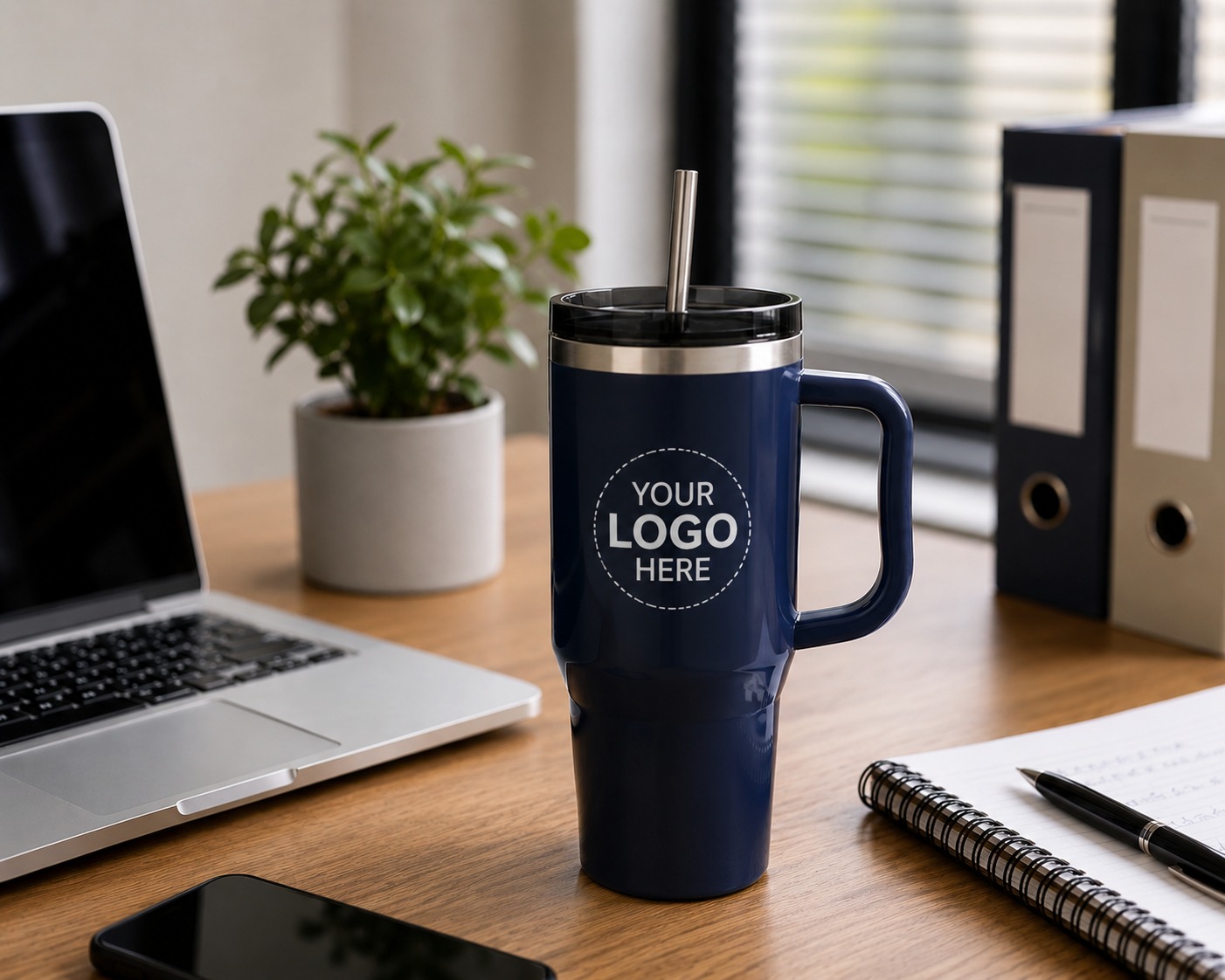
- Reusable drinkware designed for office, travel, and fitness use
- Tech accessories that support remote and hybrid work environments
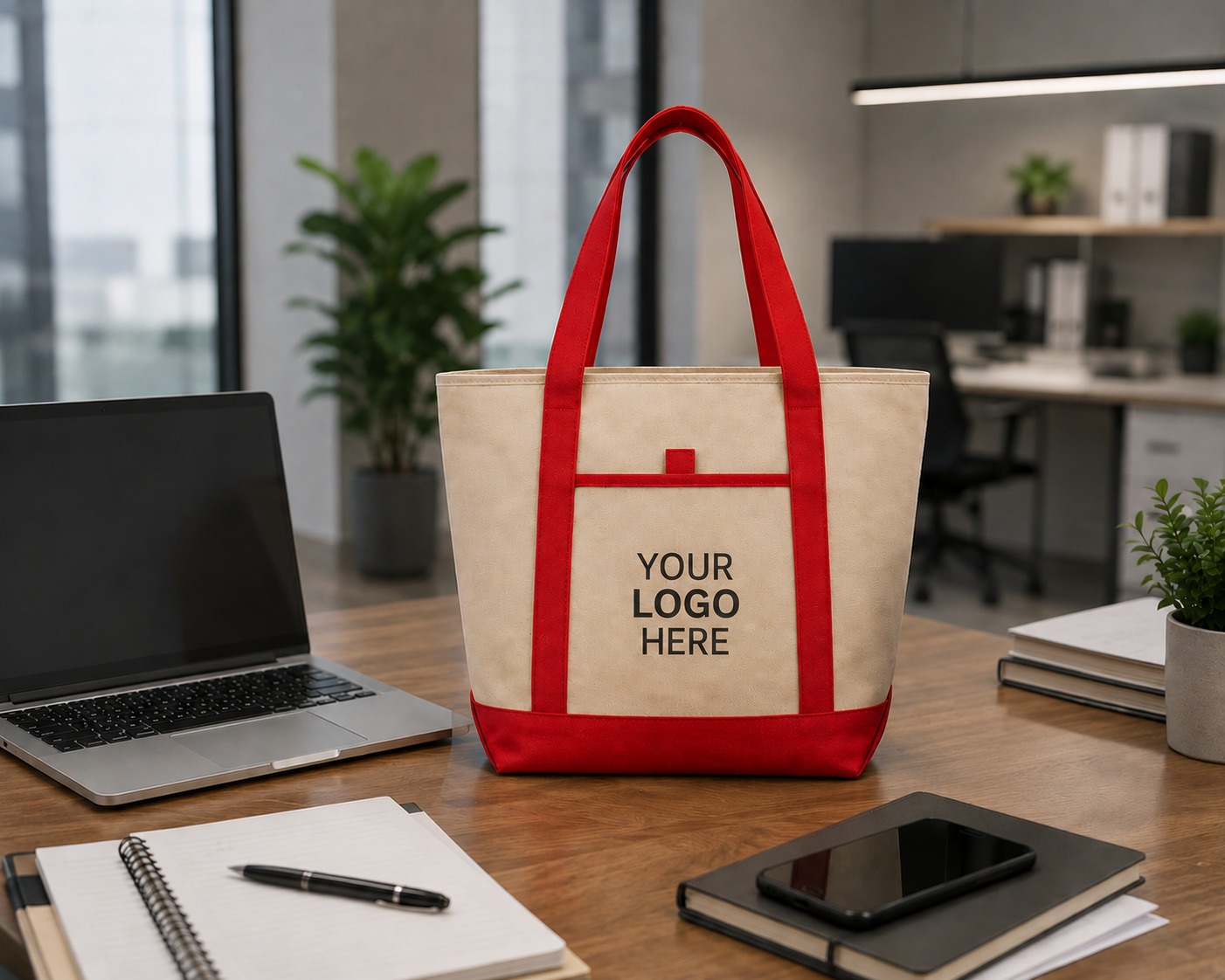
- Tote bags and travel products that increase public brand visibility
- Desk organizers and office tools that remain visible throughout the workday
- Wellness-focused products tied to relaxation and self-care
- Seasonal outdoor products used during events and travel
These items continue to generate impressions because they solve small everyday needs. A branded tumbler used during a daily commute or a desk accessory sitting in a home office can quietly reinforce brand recognition over time. SMBs are also recognizing that practical products create a more positive customer experience. Recipients are more likely to remember brands associated with convenience and usefulness than brands attached to disposable giveaways.
Credit: Promo Direct
Long-Term Visibility Is Becoming More Important
One major factor influencing ROI is product lifespan. The longer a product remains in use, the greater the value it can provide.
Products with extended visibility often include:
- Backpacks and travel bags used in multiple environments
- Blankets and comfort products that stay in homes or offices
- Storage and organization products integrated into daily routines
- Reusable food containers and drinkware used repeatedly throughout the week
- Office accessories that remain visible during meetings and virtual calls
For SMBs, this long-term exposure can be especially valuable because it creates repeated brand interaction without additional marketing costs. This approach also reflects a broader shift in promotional marketing. Businesses are moving away from low-cost novelty items and toward products that feel more intentional and relevant to the recipient.
Employee Engagement Is Driving Promotional Spending
Promotional products are no longer limited to customer-facing campaigns. Many SMBs are now investing in branded merchandise as part of employee engagement and retention strategies.
Smaller businesses often compete aggressively for talent, making workplace culture and employee experience increasingly important. Branded products are now being used to support onboarding, recognition programs, team-building initiatives, and remote work culture. Employees tend to respond more positively to products that feel thoughtful and useful rather than overly promotional. A practical item used regularly can reinforce company connection and contribute to a stronger workplace experience.
Credit: Promo Direct
Food Promotions Are Creating Stronger Engagement
Edible promotional products have also become increasingly popular among SMBs. Food-based campaigns tend to create immediate interaction while offering a more personal and approachable experience.
Snack promotions work particularly well because they encourage participation and sharing. Recognizable treats often create an instant sense of familiarity, helping businesses build stronger engagement during networking and outreach efforts. Many SMBs are also using premium food gifts for client retention. Curated snack jars, gourmet treats, and branded candy gifts can feel more memorable than standard promotional items while remaining cost-effective for relationship-building campaigns.
Sustainability Is Influencing Product Choices
Environmental awareness is playing a larger role in promotional marketing decisions. SMBs are increasingly choosing products that align with sustainability goals while still offering long-term usability.
Popular eco-conscious categories include:
- Products made from recycled materials
- Reusable bags and food storage products
- Sustainable office accessories
- Plant-themed gifts and desk items
- Reusable drinkware intended for everyday use
These products appeal to businesses looking to combine functionality with responsible branding choices. They also tend to remain useful for longer periods, which naturally supports better visibility and stronger ROI.
Many companies are finding that sustainable promotional products help communicate thoughtfulness without requiring overly aggressive messaging. A reusable product often speaks for itself through daily use.
Event Marketing Is Becoming More Experience-Focused
Trade shows, conferences, and outdoor events continue to be valuable marketing opportunities for SMBs, but attendee expectations have changed significantly.
Businesses are now focusing on products that improve comfort, convenience, or interaction during the event itself rather than simply distributing large quantities of low-cost items.
Products that solve immediate needs during an event often receive faster engagement and stronger visibility. Attendees are more likely to use and remember products that improve their overall experience.
Relevance Matters More Than Quantity
One of the clearest changes in promotional marketing is the shift away from mass distribution for the sake of volume. SMBs are increasingly focused on selecting products that align with audience behavior and business goals.
Businesses seeing stronger results are prioritizing:
- Product quality and long-term usability
- Audience relevance and lifestyle fit
- Practical functionality over novelty
- Products that support everyday routines
- Merchandise with higher perceived value
This does not always require larger budgets. In many cases, it simply means choosing products more thoughtfully.
The most effective promotional products are often the ones that feel natural rather than overly branded. When products align with how customers work, travel, relax, or socialize, they become more likely to remain in use.
For SMBs, promotional products are becoming less about volume and more about relevance. Businesses that choose items aligned with everyday use, workplace culture, and customer experience are seeing stronger engagement and longer-lasting visibility. As marketing strategies continue to evolve, thoughtful branded merchandise remains a practical and adaptable tool for building meaningful business connections.
 Registration Now Open for PRINTING United Expo 2026 in Las Vegas
 Mondays with Marco S2E4: How are OEMs Supporting Decor Printing?
 Orbus® Earns 2026 Counselor Best Places to Work Honor — Again
 PLASTGrommet Gears Up For Largest FESPA Presence
 Do You Employ Salespeople or Order-Takers?
 Listen to Your Data

